Stirling, NJ
What Is There to Do in Stirling, NJ, and How Can Local Businesses Tap Into It?
Explore Stirling’s Main Avenue shops and learn how local businesses can connect with customers through search, websites, ads, and follow-up.
The short answer
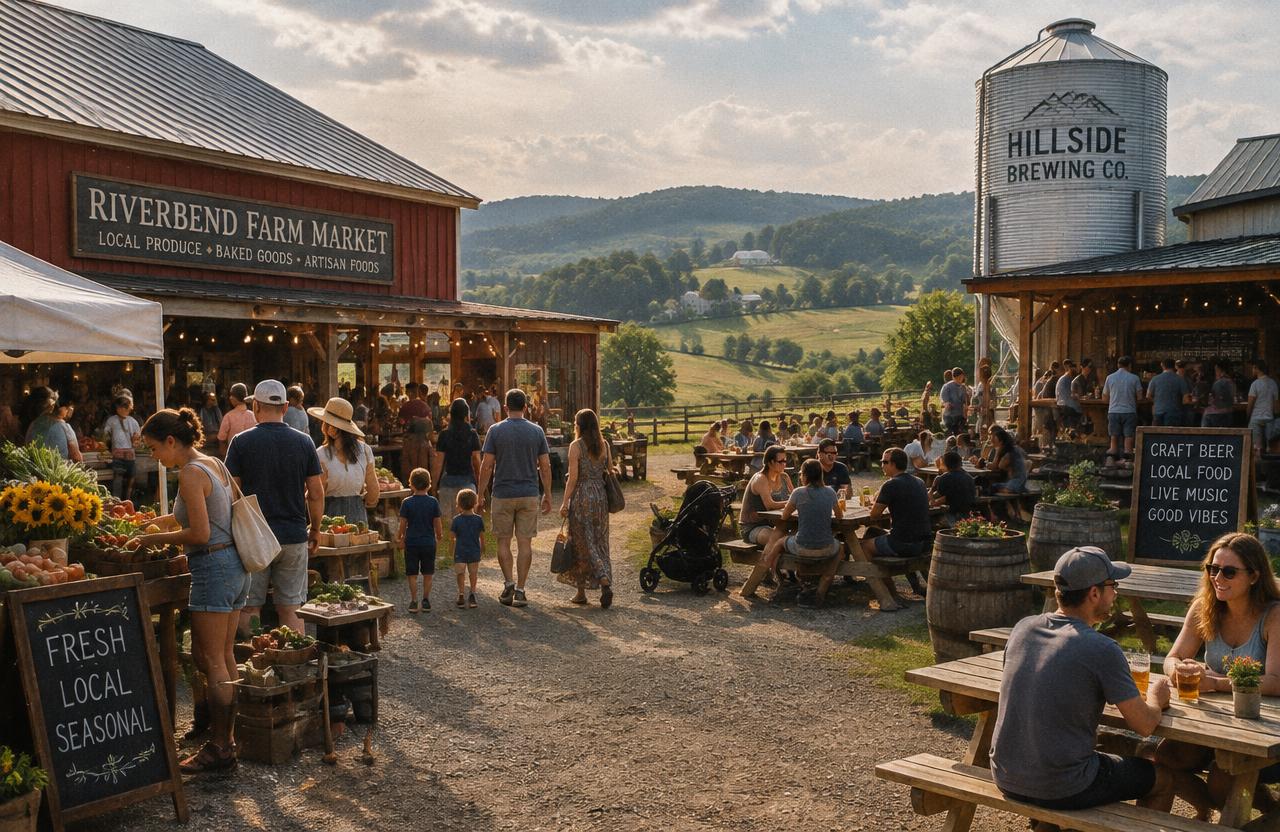
For a simple outing in Stirling, start with browsing Main Avenue shops or choosing a local restaurant, with the Stirling train station as another familiar local reference point. Businesses can connect with people planning those visits through accurate Google listings, helpful website content, focused advertising, and permission-based follow-up.
Answering the Google search: "What is there to do in Stirling, NJ, and how can local businesses tap into it?"
Someone searching for things to do in Stirling might be deciding where to browse, eat, or fit a stop into their day. For a business owner, the opportunity is not to turn every search into a sales pitch. It is to make the next decision easier with useful information about what you offer, when you are available, and how to find you.
01
1. Turn local interest into a useful reason to visit
Stirling is a community in Long Hill, known for Main Avenue shops and the Stirling train station. Those facts offer a starting point for visitor content without pretending there is a packed events calendar or inventing attractions. A shop can explain what customers can browse. A restaurant can share its current menu. Both can help someone decide whether a visit suits their plans.
Trades have a different opening. Someone exploring the community may also need help with a home or business project. Rather than forcing a sightseeing angle, publish clear service information and explain how to request an estimate. At Nickie Marketing, our Morris County marketing agency, we recommend matching the message to the customer’s actual task, whether that is finding lunch or finding a service provider.
- Publish a short “Planning a visit?” page with verified hours, directions, and what customers can expect.
- Mention nearby Millington and Gillette only when the information genuinely helps customers.
- If suggesting another business, verify its details and ask before presenting the relationship as a partnership.
02
2. Make your Google Business Profile answer practical questions
Your Google Business Profile should help people check the basics without digging. Confirm your business name, category, phone number, website, and regular hours. Update special hours when needed. Add current photos that show your actual storefront, products, food, or work, as appropriate. A recognizable entrance photo can be more useful to a first-time visitor than a polished graphic.
Use the profile to describe what you really offer, not to repeat “Stirling NJ” in every field. Ask customers for honest reviews without requesting only positive feedback, and respond helpfully without exposing private customer details. For trades, check Google’s current eligibility and service-area guidance before displaying an address. Profile accuracy supports discovery and confidence, but it does not guarantee placement in search results.
- Check that your website link opens the most useful page, such as a menu, booking page, or service overview.
- Keep your public business details consistent across your website and relevant listings.
- Review available profile performance data for patterns in website clicks, calls, and direction requests.
03
3. Build a website that connects local SEO with real decisions
Local SEO works best when your pages answer specific questions. A restaurant page should make the menu and hours easy to find. A shop page can explain its product categories and how to ask about availability. A trade business should describe its services, actual coverage area, and inquiry process. Use Stirling naturally in page titles and copy where it accurately describes your location or service.
Create useful local content rather than nearly identical pages for Stirling, Long Hill, Millington, and Gillette. One strong location or service-area page may be more helpful than several thin ones. A visitor-focused article could suggest browsing Main Avenue shops and choosing a restaurant, then link to your relevant offering. Keep the page comfortable to use on a phone, with readable text and a clear next step.
- Place hours, contact details, and the main action where visitors can find them quickly.
- Give each important page a clear title and description that match its content.
- Test forms, tap-to-call links, and confirmation messages yourself before promoting the page.
04
4. Use paid ads to reach a specific customer need
Paid ads are most useful when the audience, offer, and destination agree. A restaurant could promote a real menu offering. A shop could advertise a product category it currently carries. A trade business could focus on one service it has capacity to deliver. Choose geographic targeting based on where customers can reasonably visit or where you actually work, not simply every nearby place name.
Start with a budget you can comfortably test and one measurable goal, such as a completed inquiry or booking. Send visitors to a relevant page instead of making them search your homepage. For search campaigns, review the terms that trigger ads and exclude irrelevant ones. Someone researching the Stirling train station may not want your service, even if your business is nearby.
- Keep visitor-oriented browsing campaigns separate from urgent service inquiries.
- Compare qualified leads or completed actions, not just clicks.
- Pause ads when the promoted offer is unavailable or you cannot handle more inquiries.
05
5. Use automations, email, and texts to support the next visit
A first visit or inquiry does not have to end the conversation. Offer customers a clear, optional way to receive useful updates. A shop might send product news, a restaurant might share menu updates, and a trade business might provide requested maintenance reminders. Explain what people are signing up for. Do not assume a purchase or inquiry gives blanket permission for promotional email or texts.
Simple automations can reduce missed opportunities. A form confirmation can acknowledge an inquiry and state a realistic response window. An internal notification can remind your team to reply. Keep promotional messages separate from basic service communication, make opt-out options clear, and review applicable requirements before launching. For general business guidance, consult business.nj.gov, the NJ Small Business Development Centers, or the SBA. Direct local administrative questions to the town clerk.
- Collect only the information you need and protect access to customer records.
- Assign someone to monitor replies so automated messages do not become a dead end.
- Review bookings, inquiries, and unsubscribes to judge whether follow-up is useful.
Your next steps
- Verify your Google Business Profile details and hours.
- Add current photos that help customers recognize your business.
- Make your website’s main customer action easy to complete.
- Publish one useful page answering a genuine local question.
- Test one focused ad campaign with a measurable goal.
- Set up permission-based follow-up and assign reply ownership.
Questions owners ask
What should a Stirling business include on a visitor page?
Include your actual offerings, verified hours, directions, contact details, and a clear next step. Mention Main Avenue or the station only when relevant.
Can trades benefit from local searches about Stirling?
Yes, but prioritize service intent. Clear service pages and accurate coverage information are more useful than trying to make every visitor search fit your business.
Should I target Millington and Gillette in my marketing?
Consider them if you genuinely serve those customers. Use actual inquiry patterns and delivery capacity to guide targeting, rather than adding place names everywhere.
Do I need paid ads before improving my website?
Not necessarily. Fix inaccurate information and broken customer actions first. Ads can bring visitors, but a confusing destination can waste that attention.
Sources and further reading
- New Jersey Business Portal
- www.njsbdc.com
- SBA: Marketing and sales guidance
- Google: Improve your local ranking
Marketing guidance, not legal, medical, or financial advice. Have regulated campaigns reviewed by a qualified professional.