Dentist
How can a dental practice attract patients who are nervous about booking?
Help hesitant dental patients understand the first visit, ask practical questions privately, and schedule without unnecessary friction.
The short answer
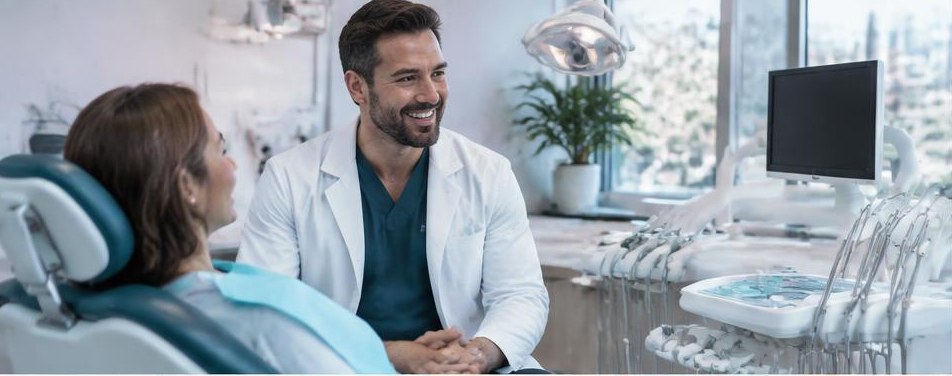
A dental practice can attract nervous patients by making the first visit predictable, explaining available comfort accommodations accurately, and offering a simple, private way to ask scheduling questions. Show how your team works rather than promising a painless or anxiety-free experience.
For someone who has postponed dental care, the hardest decision may happen before the appointment exists. An unfamiliar office, uncertainty about costs, or embarrassment about time away can make a booking button feel like a large commitment. We recommend building marketing around the questions that person needs answered before they feel ready to contact you.
01
Replace reassurance slogans with a first-visit preview
“We care about your comfort” is difficult to evaluate from a website. A useful first-visit page explains who greets new patients, what paperwork is requested, how the appointment begins, and when questions can be discussed. Have the clinical team verify the sequence so the page does not promise an experience the practice cannot consistently provide.
Keep the language neutral and welcoming. Avoid implying that patients have neglected themselves or should feel guilty for waiting. If appointment formats vary, explain that the scheduling team will clarify the appropriate visit. Do not present treatment choices or comfort measures as universally suitable.
- Show the entrance and reception area without patients present.
- Identify where visitors can ask about costs and scheduling.
- Describe how someone can request accommodation information.
02
Make accessibility visible before someone asks
Physical access and website access both matter. Publish verified details about parking, stairs, elevators, and the route from the entrance to reception. Describe language assistance or other accommodations only when actually available. An accessibility question should have a clear contact route, not require someone to explain their health history in a public comment.
On the website, use readable text, strong contrast, labeled form fields, and buttons that work with a keyboard. An optional original video could follow a staff member from the parking area to the front desk. Include captions and a text version so the information is not trapped inside a video.
03
Let the first contact be a manageable step
Separate “Request an appointment” from “Ask a scheduling question” when your team can support both. Explain whether a submission reserves a time or starts a callback process. State realistic response hours, and make the phone number easy to use on mobile. A form that looks like a full medical intake can discourage an otherwise ready visitor.
Use a professionally reviewed inquiry workflow that collects only what is needed at that stage. Direct clinical details to the practice’s approved private channel. Train reception staff to explain the next step without rushing someone into a booking, and test what happens when a call arrives during lunch or after closing.
04
Build local confidence without exposing patients
Google’s Business Profile guidance emphasizes complete, accurate information and explains that local results consider relevance, distance, and prominence. Keep the practice category, address, hours, and website destination accurate. Add current office photographs so the location someone discovers online resembles the place they will actually visit. These improvements do not guarantee rankings.
Handle reviews without confirming that a reviewer is a patient or discussing appointments, procedures, or payment history. Do not solicit disclosures about dental anxiety. Before publishing testimonials or patient imagery, require professional privacy and advertising review, using HHS marketing guidance as a review reference where applicable.
05
Measure whether uncertainty is being removed
We would start with a practical website audit: can a new visitor find arrival information, understand the booking process, and contact the office from a phone? Then review aggregate operational measures such as unanswered calls and incomplete requests. Avoid judging the project only by traffic growth.
Keep patient information out of advertising platforms, and have tracking tools reviewed before installation. Ask staff which logistical questions repeatedly slow down booking, then improve the relevant page. If email or SMS marketing is added, obtain applicable consent and provide opt-outs rather than treating every inquiry as permission for promotions.
Your next steps
- Confirm the first-visit description with the clinical team.
- Publish verified arrival and accessibility details.
- Test the mobile form and phone link.
- Review privacy, testimonials, and tracking professionally.
- Update pages using recurring scheduling questions.
Questions owners ask
Should we advertise painless dentistry?
Avoid absolute comfort promises. Describe verified processes and available accommodations, with clinical and advertising review of any treatment-related claims.
Do we need patient stories to seem welcoming?
No. Staff introductions, an empty-office walkthrough, and clear arrival instructions can demonstrate attentiveness without patient disclosures.
Sources and further reading
Marketing guidance, not legal, medical, or financial advice. Have regulated campaigns reviewed by a qualified professional.