Med spa
How can med spas market consultations without relying on dramatic before-and-after photos?
Build consultation demand through verified credentials, transparent expectations, and process-focused content instead of dramatic transformation imagery.
The short answer
Med spas can market consultations by showing who provides care, explaining what the consultation covers, and making fees and next steps clear. Verified credentials and thoughtful process content give people reasons to inquire without relying on dramatic before-and-after images or implied treatment promises.
A consultation should help someone understand whether a service is appropriate, not function as a disguised commitment to purchase it. We recommend making that distinction central to med spa marketing. The strongest content answers practical questions while leaving clinical suitability, risks, and individualized recommendations to qualified professionals.
01
Make the provider, not the transformation, the starting point
Build provider profiles around exact, verifiable credentials and actual roles. Explain who conducts consultations, who performs services, and how oversight works within your practice. Avoid vague labels such as “expert injector” when a precise professional title and relevant training provide clearer information. Have credential and scope-of-practice language professionally reviewed.
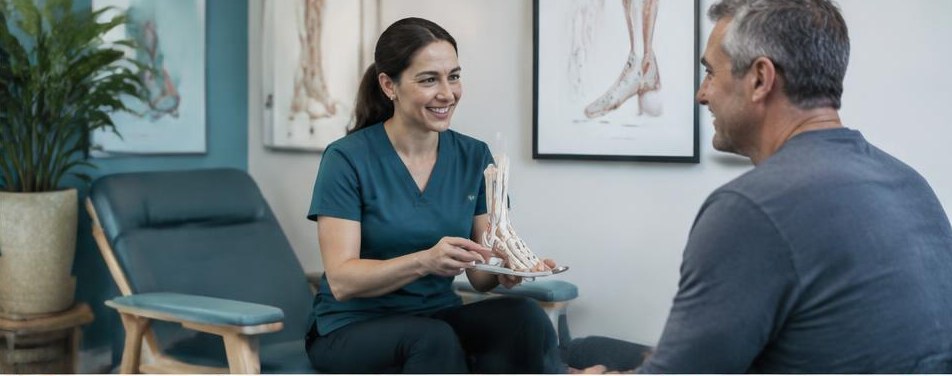
Use current provider portraits and short introductions about the consultation process. An optional original filming idea is a provider explaining what questions visitors can bring. Keep the content focused on decision-making and communication rather than personalized recommendations. Do not imply that a friendly video establishes suitability for a procedure.
02
Give the consultation its own useful offer
A consultation page needs more than a treatment menu and booking button. Explain its purpose, approximate duration if predictable, fee, deposit requirements, and cancellation terms. State whether the fee can be applied toward another service only if that is an established policy. Separate consultation booking from treatment booking wherever those are different appointments.
Describe the decision process without promising its outcome. Visitors should understand that a consultation may lead to further questions or a decision not to proceed. Avoid countdown timers and language that pressures someone to buy before their questions are answered. Financial transparency is more useful than a promotion whose restrictions appear only after submission.
- Who will conduct the consultation?
- What does the published fee include?
- What happens after the conversation?
03
Create visual evidence of the experience
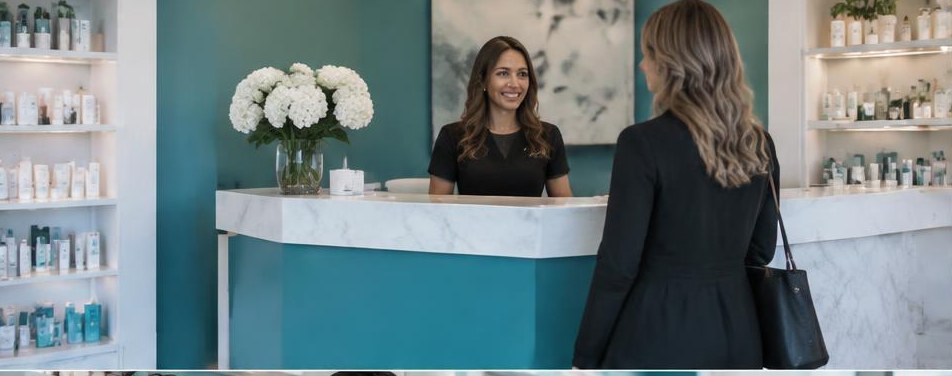
Photograph the reception area, consultation room, and exterior when no patients or private records are visible. Show the environment accurately rather than making it resemble a different facility through heavy editing. Staff-only demonstrations can explain arrival or check-in, provided they are clearly presented and do not simulate a patient endorsement.
For social content, rotate provider introductions, consultation logistics, and explanations of practice policies. An optional original video could walk through how someone prepares administrative questions for a visit. Avoid close-up body criticism, digitally altered outcome imagery, or captions implying that viewers need treatment to look acceptable.
04
Review permission and claims as separate questions
Permission to use an image does not by itself establish that the advertisement is appropriate. Any patient photograph, testimonial, treatment claim, or promotional offer should receive professional review for authorization, privacy, applicable advertising requirements, and current platform rules. HHS marketing guidance is a relevant review reference where applicable; it is not blanket approval for a campaign.
Evaluate captions as carefully as images. “No downtime,” “risk-free,” and guaranteed-result language can create expectations the practice cannot support. Keep patient information out of advertising platforms and avoid targeting based on inferred sensitive health concerns. If email or SMS promotions are used, obtain applicable consent and include opt-outs.
05
Build a local discovery path that matches the promise
Google’s Business Profile guidance recommends accurate business information and current photos, and identifies relevance, distance, and prominence as local ranking factors. Keep the practice’s categories, location, hours, and booking destination current. Send consultation-related visitors to consultation information, not directly to a checkout page that assumes they have chosen treatment.
We would evaluate aggregate consultation inquiries, recurring fee questions, and confusion about appointment types before emphasizing reach. Have analytics and booking integrations reviewed for privacy. When prospective visitors repeatedly ask the same administrative question, improve the page rather than asking the front desk to compensate for unclear marketing.
Your next steps
- Verify provider titles, roles, and credentials.
- Publish consultation fees and relevant policies.
- Plan patient-free photography and optional original filming.
- Obtain professional claims, permission, and platform review.
- Audit booking and analytics data flows.
Questions owners ask
Must we stop using before-and-after photos entirely?
Not necessarily, but they require careful professional review of permissions, presentation, claims, and platform rules. They should not substitute for clear consultation information.
Can we promote a consultation discount?
Have the offer professionally reviewed first. State eligibility, terms, and fees clearly, and avoid implying that booking obligates someone to receive treatment.
Sources and further reading
Marketing guidance, not legal, medical, or financial advice. Have regulated campaigns reviewed by a qualified professional.