Deli
How can delis market office platters beyond lunchtime walk-ins?
Turn office platter interest into advance orders with clear portions, deadlines, pickup instructions, and a dedicated business ordering path.
The short answer
Delis can market office platters beyond lunchtime walk-ins by creating a dedicated platter ordering page, explaining quantities and deadlines, and promoting advance orders to nearby workplace organizers.
The person ordering for a meeting has different questions from someone buying a sandwich at the counter. How much food is enough? Can someone collect it before the meeting? What comes with the tray? We recommend building an office platter offer around those decisions, rather than treating it as a larger version of your walk-in menu.
01
Start with the meeting table
Organize your platter menu by the situation it serves: a small team meeting, a working lunch, or a larger training session. Keep the range manageable and explain the differences between packages. A buyer should not need to calculate a group order from dozens of individual sandwich combinations.
Make serving guidance concrete. Identify the number of pieces, how sandwiches are cut, and whether your suggested serving range assumes a main meal or a lighter snack. Describe included sides, condiments, napkins, and serving utensils. Photograph the actual package and label optional extras so the image does not imply more food than the price includes.
02
Turn your cutoff into a planning aid
Publish the advance order deadline next to the menu and order button. Explain whether it changes for larger quantities, weekends, or busy holidays. Separate the time by which a request must arrive from the time by which payment and final quantities must be confirmed.
Avoid a blanket same-day promise if it competes with your lunch rush. Provide a call-to-check option for late requests without implying availability. Set a daily platter capacity that reflects preparation space, staffing, and packaging supplies. Marketing should fill usable production slots, not create a queue of orders the kitchen cannot fulfill.
- Show the deadline for headcount changes.
- Explain cancellation and substitution terms before confirmation.
03
Give business buyers a separate route through the website
Add an office platters destination to your main navigation and mobile menu. Show standard packages first, with a short inquiry option for unusual quantities. Ask for the meeting date, desired pickup time, headcount, package choice, and organizer contact. Offer a clear method to discuss dietary requirements before acceptance.
Display an order summary that the organizer can share internally. Include item totals, applicable fees, and the steps needed to secure the order. If your form only requests a quote, say so explicitly. Promotional email or SMS enrollment should remain optional and separate from order updates, with applicable consent and straightforward opt-outs.
04
Promote where office organizers can act
Use counter signs, bag inserts, and receipts to let existing customers know you handle advance group orders. A concise printed platter guide can work for nearby offices that welcome vendor information. Keep menus dated or direct people to the current online version so old prices and deadlines do not circulate indefinitely.
Support discovery with accurate local information. Google’s Business Profile guidance recommends complete details, current hours, and photos that show what a business offers. Add real platter photography and maintain your address and collection hours. For paid campaigns, target a practical pickup or delivery area and send visitors directly to the office platter page.
05
Make collection easy enough to repeat
Tell buyers where to park, which entrance to use, and whether large orders have a designated collection point. Label packages with the order reference and agreed contents without exposing unnecessary personal details. Staff should know who is collecting and how to verify the order without making the customer explain everything again.
The SBA’s marketing guidance connects target markets, competitive advantages, and measurable goals. Apply that to platter sales by tracking confirmed advance orders, average preparation demands, and repeat workplace buyers. If inquiries stall, check whether serving sizes or confirmation steps are unclear before increasing promotion. A smooth collection experience is part of the next sale.
From our portfolio
Make BBQ tenders with Cluck-U
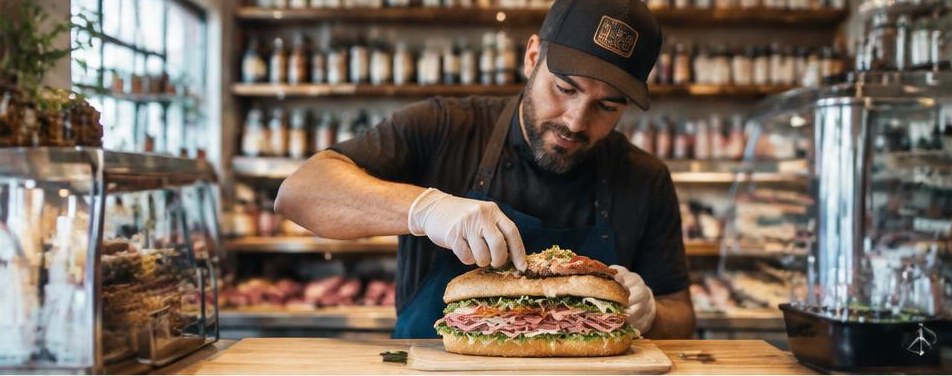
This Cluck-U Chicken example shows the product being prepared. Food businesses can adapt the behind-the-scenes approach to their own menu, rather than copying the scene.
Your next steps
- List piece counts and explain serving assumptions.
- Publish order, payment, and quantity-change deadlines.
- Create a dedicated office platter ordering path.
- Use actual package photos with optional extras identified.
- Document pickup instructions and track repeat office orders.
Questions owners ask
Do we need to offer delivery?
No. Reliable pickup can be a strong offer when collection times, parking, and package handling are clearly explained.
Should we discount every office order?
Not automatically. Clear quantities, easy approval, and dependable collection can provide value without reducing your margin.
Sources and further reading
Marketing guidance, not legal, medical, or financial advice. Have regulated campaigns reviewed by a qualified professional.