Makeup artist
How can makeup artists turn bridal trials into wedding bookings?
Build a bridal trial process that clarifies date availability, fees, creative direction, wedding-day logistics, and the steps to reserve your services.
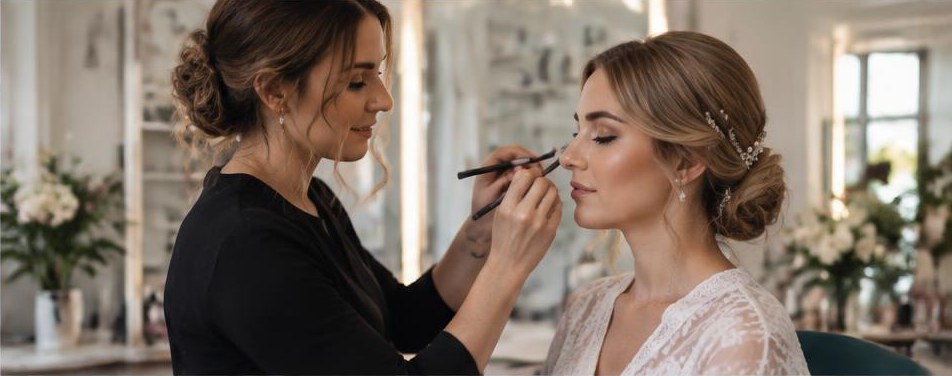
The short answer
Makeup artists can turn more bridal trials into wedding bookings by confirming date availability first, defining the trial’s scope and cost, documenting preferences, and presenting a clear wedding-day proposal afterward. The trial should reduce creative and logistical uncertainty, not leave the bride guessing about the next step.
A beautiful trial look is only part of the decision. Couples also need to understand timing, travel, party size, and whether the artist is actually reserved. We recommend treating the trial as one stage in a transparent booking process, with clear boundaries between exploring a look and securing wedding-day services.
01
Check the date before discussing the look
Your inquiry form should request the wedding date, getting-ready location, required finish time, and estimated number of people requesting services. Those details help establish whether the booking is feasible before anyone pays for a trial. Ask only for information needed to assess the request, not a complete wedding itinerary.
Explain your date-hold policy in the first response. If a trial does not reserve the wedding date, say so prominently before payment. If you offer a temporary hold, specify when it ends and what confirms the booking. Do not manufacture competing inquiries to rush a decision.
02
Sell a defined trial, not an unlimited experiment
Publish the trial fee, scheduled duration, location, and included scope. Explain whether it covers one developed look, a limited set of adjustments, lashes, or another specific inclusion. State whether the trial payment is separate from wedding-day pricing or credited toward it. Make cancellation and rescheduling terms available before checkout.
Invite reference images and ask what the bride likes about each one. Desired coverage, finish, and usual makeup habits are more useful than a vague request to look natural. Keep product-suitability concerns private and within professional scope; do not make medical or allergy-free assurances in your marketing.
03
Close the trial with a creative record
Reserve time to review the finished look together rather than ending immediately after application. Confirm what the bride wants to keep and what should change. With permission, take reference photographs in useful lighting and record the agreed creative direction so the wedding-day plan does not rely on memory.
Distinguish private service documentation from public portfolio permission. A bride can approve reference photos without agreeing to advertising. Obtain authorization for intended promotional uses, and do not publish the wedding date, venue, or other identifying details without permission. Avoid filters that materially change the makeup result.
04
Make the wedding proposal operational
Send a proposal that matches the actual event requirements, not just a per-person rate. Clarify who will perform services, travel charges, applicable minimums, assistant arrangements, and whether touch-ups are included. Identify what remains provisional if the party size or venue has not been finalized.
Explain the steps required to reserve the date, including the agreement and required payment. Have contractual terms professionally reviewed rather than making blanket enforceability claims. Let the couple see how changes in headcount or timing affect the plan before they commit.
- Confirmed date and getting-ready location.
- Service count and planned completion time.
- Included services, additional charges, and booking steps.
05
Follow up on unresolved decisions
A useful follow-up summarizes the agreed look, answers outstanding logistics questions, and restates the genuine reservation deadline. Offer a straightforward way to approve the proposal or request clarification. Keep inquiry and booking correspondence separate from promotional campaigns; marketing email and SMS need applicable consent and opt-outs.
The SBA recommends setting specific sales and marketing goals. Track where inquiries stall: date availability, trial scheduling, proposal review, or payment. For local discovery, Google recommends accurate business information and relevant photos. Use authorized bridal work and represent your service area accurately without promising a ranking position.
Your next steps
- Confirm date, location, party size, and finish time at inquiry.
- Publish trial scope, pricing, and date-hold terms.
- Record agreed preferences separately from portfolio permissions.
- Itemize wedding-day logistics and reservation requirements.
- Track the stage where qualified inquiries stop progressing.
Questions owners ask
Should the trial fee apply to the wedding booking?
Either structure can work. State your policy before payment and price the trial to reflect its actual time and scope.
What if the bride wants another trial?
Clarify the requested changes and explain the scope, availability, and fee for an additional appointment without implying unlimited revisions were included.
Sources and further reading
Marketing guidance, not legal, medical, or financial advice. Have regulated campaigns reviewed by a qualified professional.